
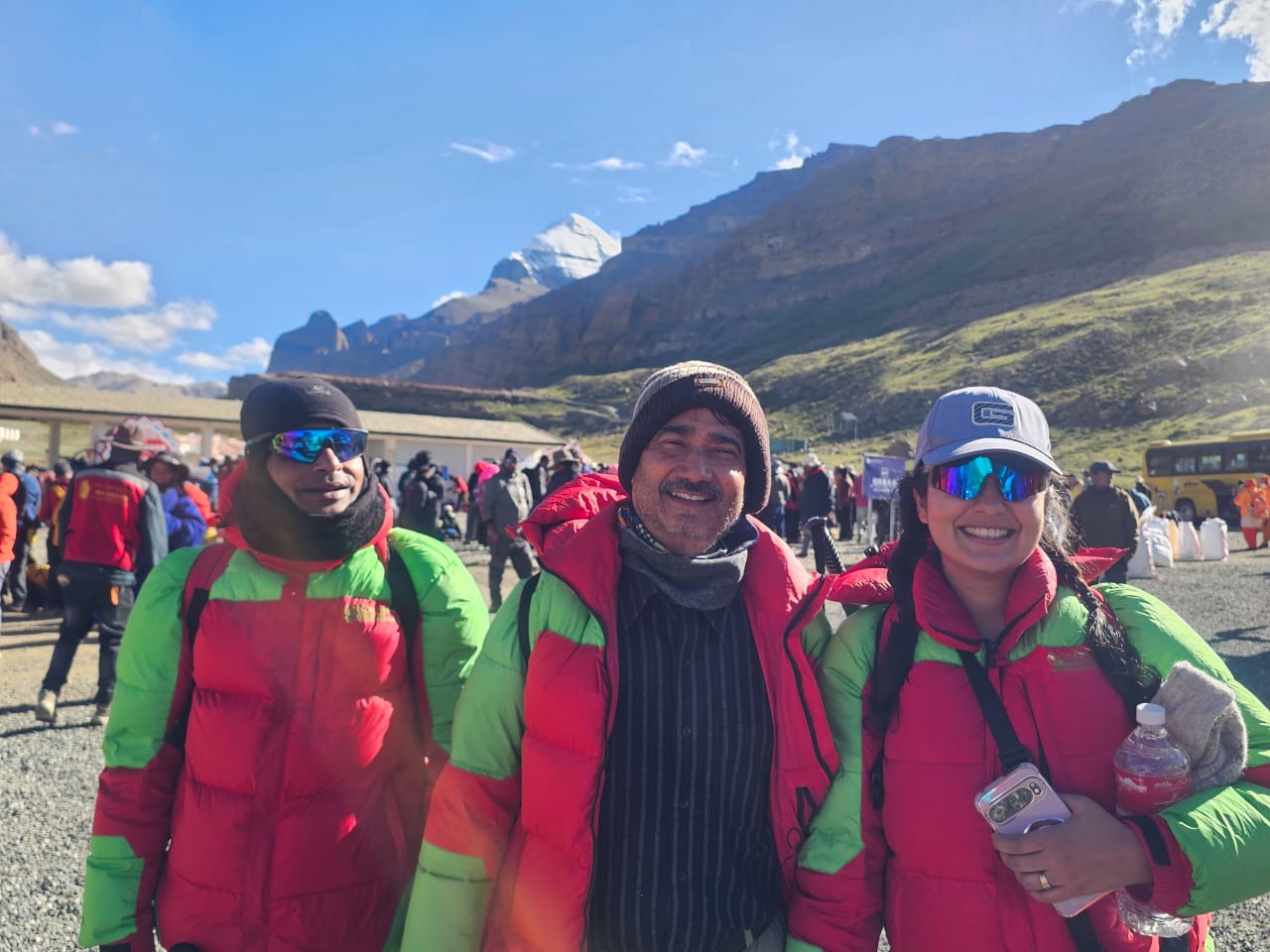
Kailash Mansarovar Yatra
Overview
The Kailash Mansarovar Yatra is one of the most sacred pilgrimage journeys in the Himalayas, taking travelers to the holy Mount Kailash and the serene waters of Lake Mansarovar in the remote Tibetan Plateau. Revered by Hindus, Buddhists, Jains, and followers of the Bon tradition, this extraordinary journey combines deep spiritual meaning with breathtaking mountain scenery and a unique cultural experience.
Mount Kailash, rising to approximately 6,638 metres, is traditionally regarded by Hindus as the divine abode of Lord Shiva and Goddess Parvati. Nearby, Lake Mansarovar, situated at approximately 4,590 metres, is considered a sacred lake associated with spiritual purification, devotion, and peace.
The pilgrimage from Nepal typically follows an overland route through the Rasuwagadhi–Kerung border into Tibet. Along the way, pilgrims cross vast high-altitude landscapes, visit the sacred lake, and may undertake the three-day Kailash Parikrama, also known as Kora, around the holy mountain.
Mission Nepal Holidays organizes this journey with attention to travel arrangements, accommodation, transportation, permits, and pilgrimage logistics. The itinerary below is a proposed 13-day overland program; actual arrangements depend on border access, official approvals, weather, and the confirmed departure schedule.
Trip Highlights
Visit sacred Mount Kailash, revered as the abode of Lord Shiva.
Experience the spiritual atmosphere of holy Lake Mansarovar.
Participate in permitted prayers, meditation, and puja rituals.
Undertake the challenging three-day Kailash Parikrama, subject to fitness and conditions.
Cross the spectacular Dolma La Pass at approximately 5,630 metres.
Enjoy panoramic views of the Tibetan Plateau, high Himalayan peaks, and remote settlements.
Visit Pashupatinath Temple in Kathmandu as part of the pilgrimage preparation.
Detailed Itinerary
Follow the journey day by day with the itinerary built in WordPress.
01Day 01Arrival in Kathmandu (1,400 m)+
Arrive at Tribhuvan International Airport, where a representative will meet you and transfer you to your hotel. After check-in, rest following your journey. Depending on arrival time, receive an introduction to the pilgrimage and the arrangements ahead.
Overnight: Kathmandu
02Day 02Pashupatinath Darshan and Yatra Preparation (1,400 m)+
Visit the sacred Pashupatinath Temple, one of the most important Hindu temples dedicated to Lord Shiva. Spend time in prayer and reflection, then return for a group briefing, document verification, and final preparation. Your team will review clothing, essential supplies, and high-altitude travel precautions.
Overnight: Kathmandu
03Day 03Drive from Kathmandu to the Nepal–Tibet Border Area (approx. 1,500–2,000 m)+
Begin the overland journey through the hills and river valleys of northern Nepal. Enjoy changing landscapes, terraced hillsides, rural settlements, and mountain views along the road. The exact overnight location may be Kodari or another designated stop depending on road and border arrangements.
Overnight: Border area
Included & Excluded
Included
- ✓ Airport pickup and drop-off in Kathmandu, if specified.
- ✓ Hotel accommodation in Kathmandu on the scheduled nights.
- ✓ Accommodation during the overland journey in Tibet, according to the selected package and local availability.
- ✓ Ground transportation for the itinerary by designated vehicle.
- ✓ Tibet travel permits and relevant travel documentation arrangements, as confirmed.
- ✓ Applicable Chinese visa or group visa processing arrangements, as specified in the contract.
- ✓ Meals during the Yatra, according to the package plan.
- ✓ Nepali tour leader and/or authorized local Tibetan guide as specified.
- ✓ Support with border and immigration procedures.
- ✓ Scheduled sightseeing or pilgrimage activities stated in the itinerary.
- ✓ Necessary ground coordination for the Kailash Parikrama.
- ✓ Airport transfers on arrival and departure, if included.
Excluded
- × International airfare to and from Nepal.
- × Chinese visa or permit fees not specifically listed as included.
- × Travel insurance, including high-altitude trekking and emergency evacuation coverage.
- × Personal expenses such as laundry, telephone calls, Wi-Fi, and beverages.
- × Horse, yak, or porter hire during the Parikrama, unless expressly included.
- × Additional accommodation, meals, or transportation caused by delays or itinerary changes.
- × Medical expenses, evacuation, and rescue services.
- × Tips and gratuities for guides, drivers, and support staff.
- × Additional costs arising from border closures, weather disruptions, official restrictions, or other circumstances beyond the operator's control.
- × Any service not explicitly mentioned in the “Cost Includes” section.
Dates & Price
Trip Map
Gallery
Trip Video
Packing List
Client Reviews
Frequently Asked Questions
Frequently Asked Questions (FAQs)+
1. How many days are required for the Kailash Mansarovar Yatra?
A typical overland pilgrimage from Kathmandu may take around 13 days or longer, depending on the route, border arrangements, acclimatization needs, and the number of days allocated to the Parikrama.
2. What is the highest altitude of the Kailash Parikrama?
The highest point is Dolma La Pass, approximately 5,630 metres above sea level. The exact elevation may vary slightly by source and route reference.
3. Is the Kailash Mansarovar Yatra physically difficult?
Yes. The overland journey involves long drives at high altitude, and the three-day Parikrama includes steep ascents and descents. Travelers should prepare physically and understand the risks of altitude sickness.
4. Can I complete the Yatra without doing the Parikrama?
In some circumstances, travelers may visit the Kailash region without completing the full circuit. This depends on the package, local regulations, health, and current access. Confirm options with the operator before booking.
5. What is the best month to visit Mount Kailash and Lake Mansarovar?
May through September is generally the main travel season, but conditions and official access vary. Confirm the selected departure's operating status before making final plans.
6. Are permits required for Tibet?
Foreign travelers generally need the appropriate Chinese visa or group visa and Tibet travel authorization, with additional permissions depending on the route. Requirements must be checked for the traveler's nationality and departure date.
7. What accommodation is available during the Yatra?
Accommodation varies by location. Kathmandu and some towns may offer hotels, while remote sections near the lake and Parikrama route may have simpler guesthouses or shared facilities. Exact standards depend on availability and the confirmed package.
8. Is travel insurance necessary?
Comprehensive travel insurance is strongly recommended. Confirm that your policy explicitly covers high-altitude trekking at the planned elevations, medical treatment, emergency evacuation, and trip disruption where available.
9. Can senior citizens join the pilgrimage?
Participation depends on individual fitness, medical advice, altitude tolerance, and the demands of the selected route. Senior travelers should obtain medical guidance and discuss any special requirements with the operator before booking.
10. How can I book the Kailash Mansarovar Yatra with Mission Nepal Holidays?
Contact Mission Nepal Holidays to request current departure dates, availability, price, inclusions, permit requirements, and booking terms. A booking should be considered confirmed only after the operator verifies the arrangements.